🗳️ Polls & Predictions — The future, shaped in advance
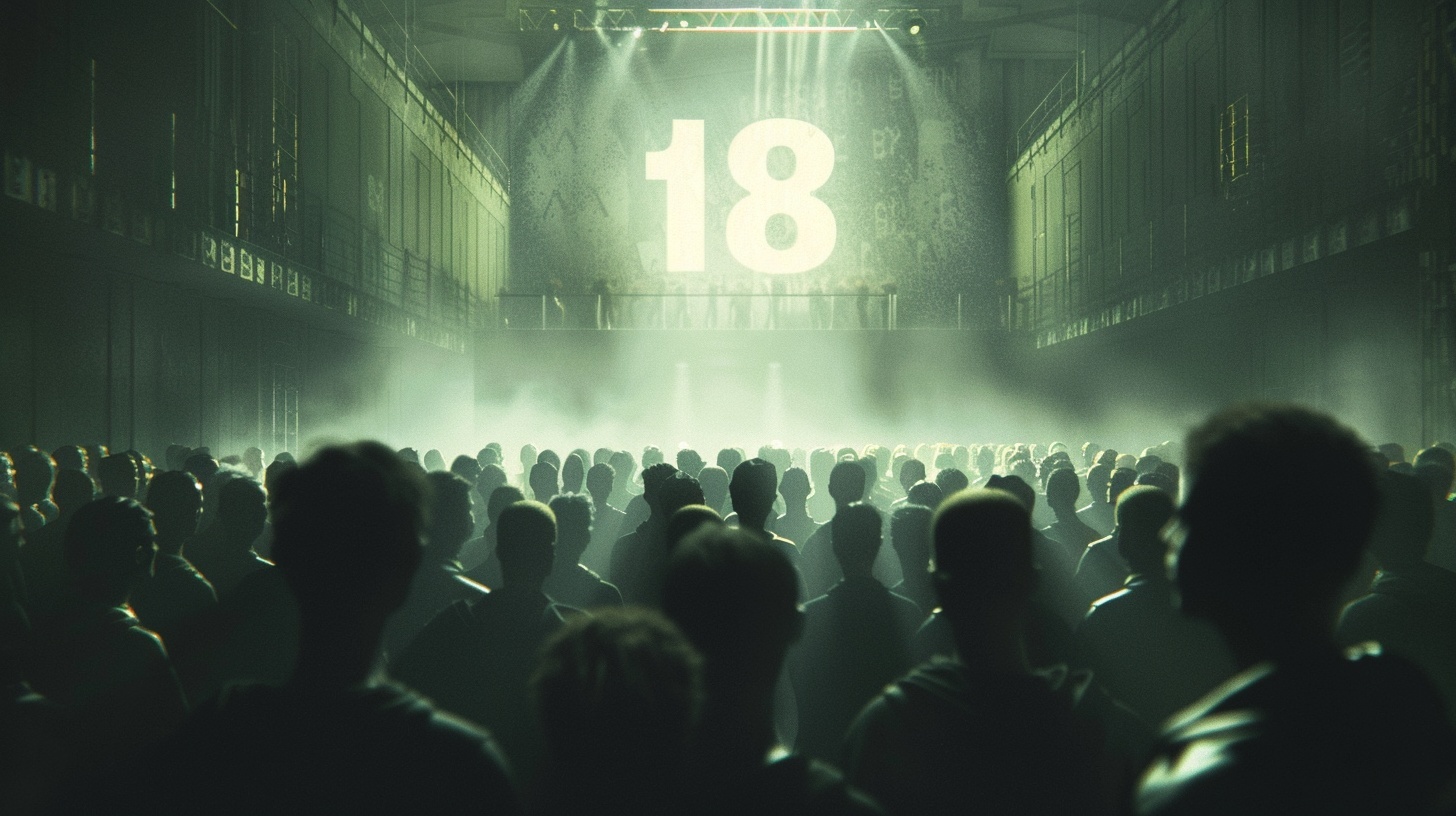
A number that claims to describe what has not yet happened.
🧠 UX Interpretation: Uncertainty compressed into a figure
Polls and prediction models take samples, trends, and assumptions and turn them into a single number or range. A percentage suggests likelihood. A chart suggests direction.
The complexity of human behaviour is reduced to a forecast. The future appears measurable.
This makes uncertainty easier to handle. It gives the user something concrete to hold on to.
🎯 Theme: The model influences the outcome
Predictions do not sit outside the system. They enter it. They shape expectations, decisions, and behaviour.
Voters respond to perceived momentum. Markets react to anticipated movement. Confidence shifts before events occur.
The model can become part of what it predicts.
At the same time, the simplification remains fragile. Small changes in input can produce different results. Context matters.
The model works by creating clarity. It fails when clarity is mistaken for certainty.
💡 UX Takeaways
- Numbers can make uncertain futures feel concrete.
- Predictions influence behaviour as well as describe it.
- Simple outputs can hide complex assumptions.
- Confidence in a model can exceed its reliability.
- Forecasts should be read as guidance, not outcomes.
📎 Footnote
Polling and predictive modelling are widely used in politics, economics, and business. Their accuracy depends on sampling, assumptions, and changing conditions, and they can influence the systems they aim to forecast.