🧪 Deepfake — Seeing, without believing
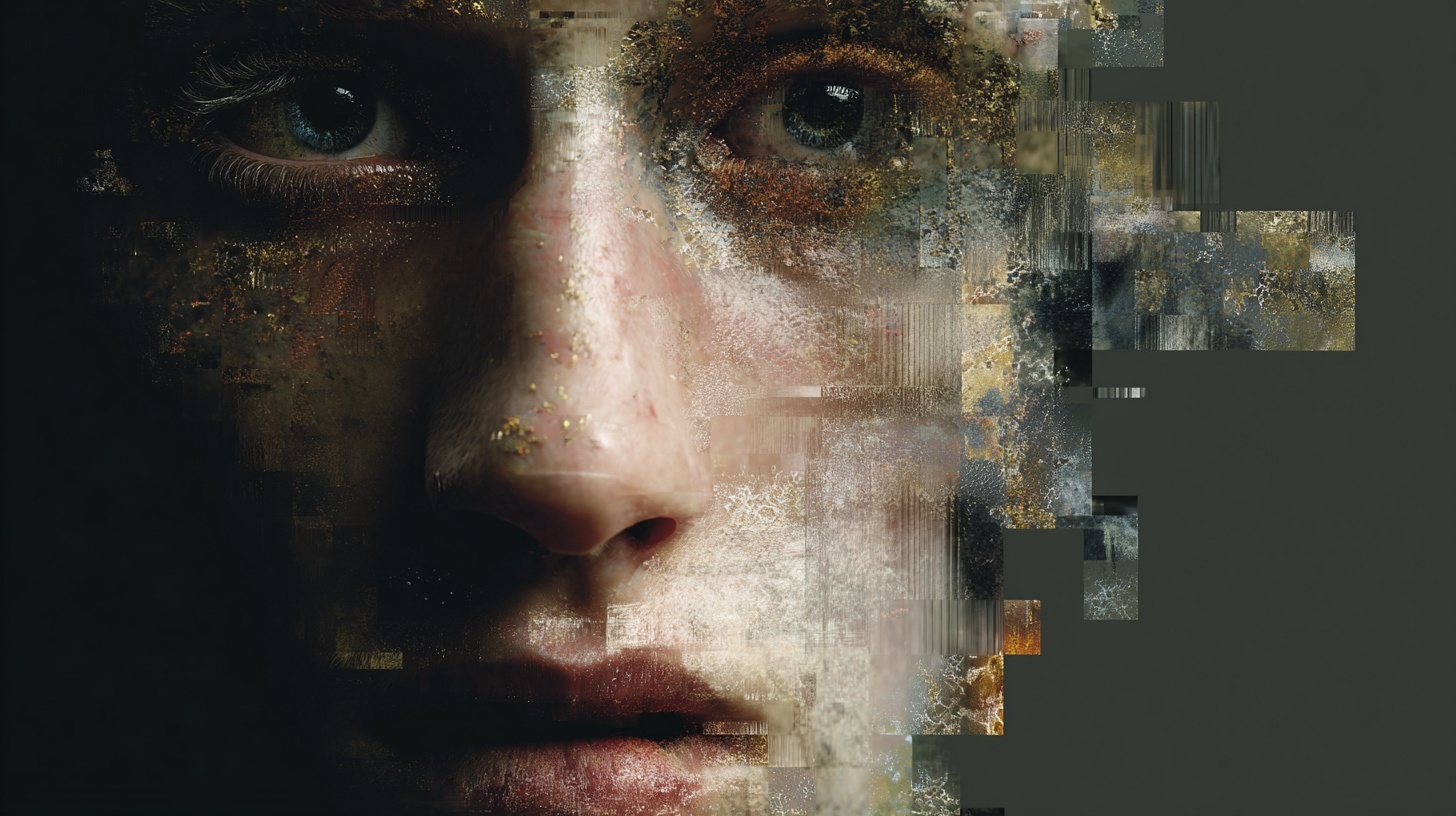
The image looks right. The moment feels real.
🧠 UX Interpretation: Evidence without origin
Deepfakes use machine learning to generate images, audio, or video that closely mimic real people and events. Faces move convincingly. Voices match tone and rhythm. The result appears authentic.
For a long time, visual media carried an assumption of truth. Seeing was a form of verification. Deepfakes weaken that assumption.
🎯 Theme: Trust detached from perception
The model shifts the relationship between evidence and belief. What looks real is no longer reliable on its own.
This creates uncertainty. Users must question what they see, even when it feels convincing.
The technology can be used for creativity and simulation, but also for manipulation.
The experience becomes unstable. Trust requires additional context, not just perception.
The model works because it is convincing. It fails when conviction replaces verification.
💡 UX Takeaways
- Visual realism no longer guarantees authenticity.
- Trust must be supported by context and source.
- Convincing outputs can mask artificial origins.
- Systems must account for manipulation as well as creation.
- Users need cues beyond appearance to assess truth.
📎 Footnote
Deepfake technology emerged from advances in generative AI, particularly deep learning models capable of synthesising highly realistic media. Its rapid development has raised concerns about misinformation and trust in digital content.