🧠 Cortical Homunculus — The body, redrawn by attention
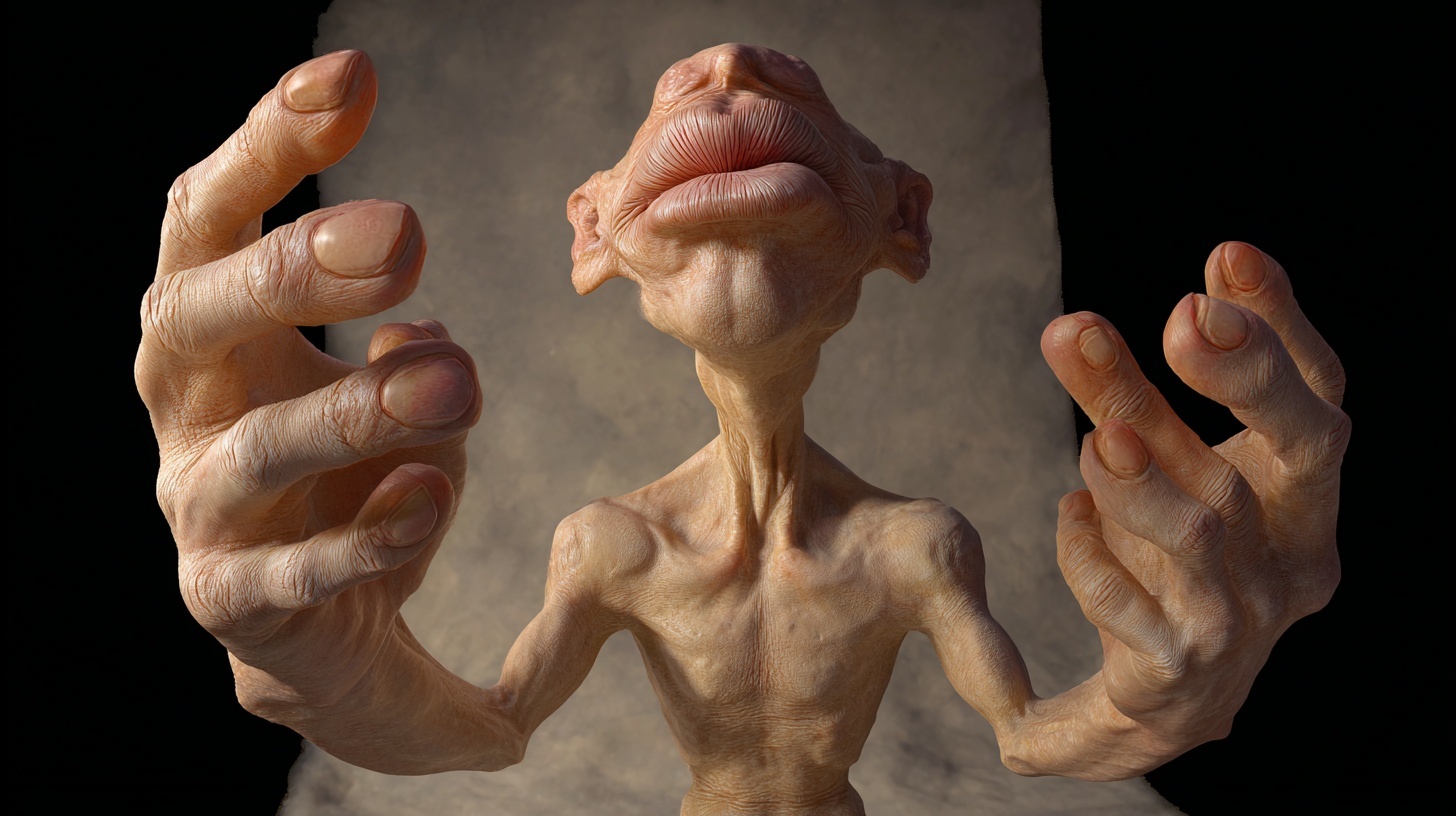
A figure stretched and distorted by what the brain cares about most.
🧠 UX Interpretation: Importance reshapes representation
The cortical homunculus maps the human body according to how much of the brain is devoted to each part. Hands, lips, and face appear large. The torso and legs shrink.
This is not anatomy as we see it. It is anatomy as the brain experiences it.
Sensory and motor regions expand where precision matters most.
The result is unsettling but precise.
🎯 Theme: Distortion reveals priority
The model exaggerates to communicate. What looks wrong is exactly what makes it useful.
It shows that representation is shaped by function, not by appearance.
The brain allocates space based on need. The model follows that logic.
This is a reminder that all maps are selective. They emphasise what matters within a system.
Accuracy depends on what you are trying to show.
💡 UX Takeaways
- Distortion can reveal what is important.
- Representation follows function, not appearance.
- Unfamiliar visuals can communicate hidden truths.
- Models reflect priorities within a system.
- Accuracy depends on the question being asked.
📎 Footnote
The cortical homunculus is based on the work of neurosurgeon Wilder Penfield in the 20th century, who mapped sensory and motor areas of the brain by stimulating different regions during surgery.