🧠 Borges’ Map — The model that forgot its purpose
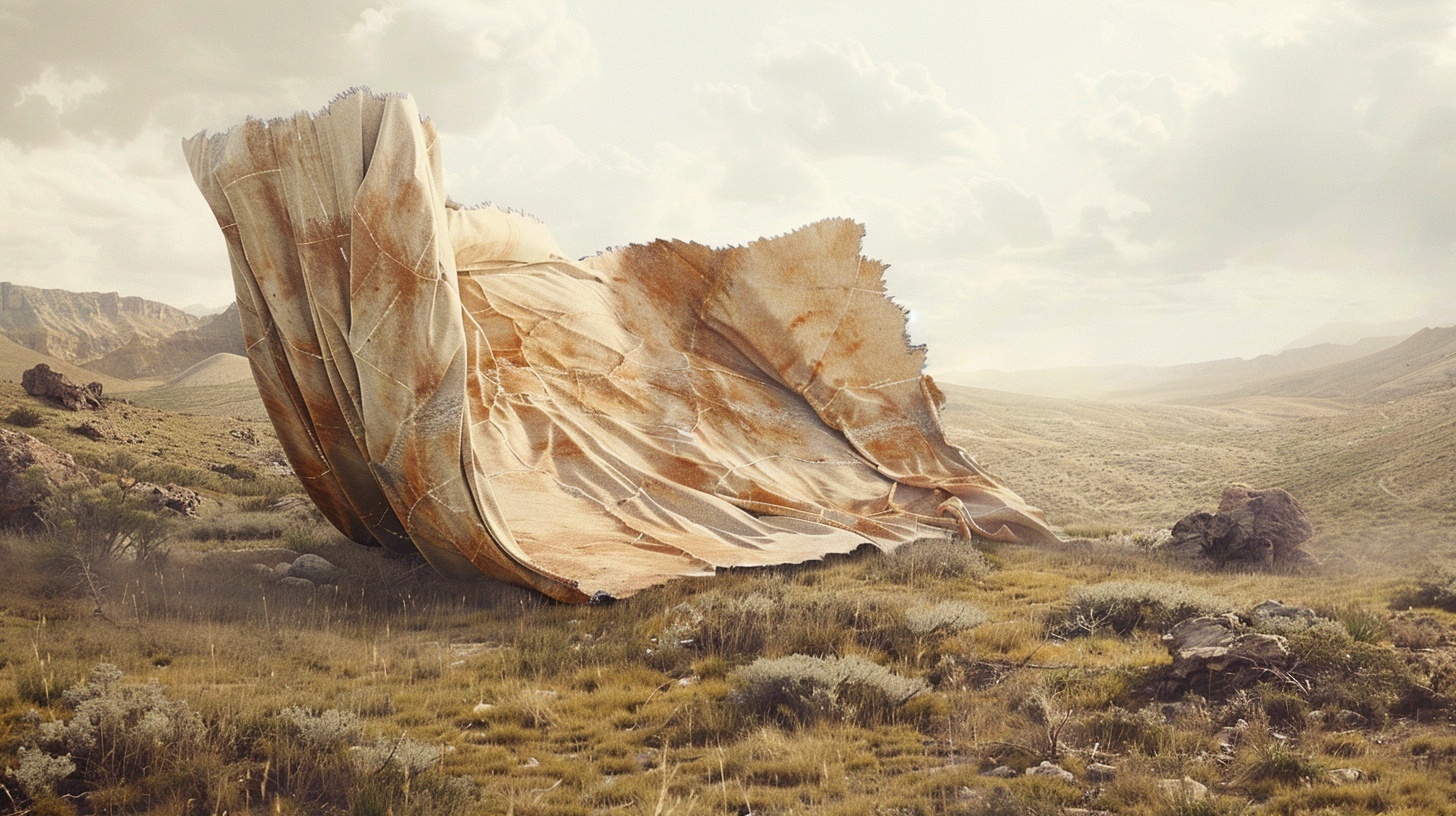
A map so perfect it became unusable.
🧠 UX Interpretation: When accuracy destroys usefulness
In a short piece by Jorge Luis Borges, a civilisation creates a map so detailed that it matches the empire at a scale of one to one.
Every feature is included. Nothing is omitted. The map covers the territory exactly.
At first, this seems like perfection.
But the map is no longer a tool. It cannot be folded, carried, or interpreted. It simply duplicates the world.
The model has collapsed into the thing it was meant to represent.
🎯 Theme: The limits of modelling
All the maps that came before made choices. They simplified, distorted, or abstracted.
This one refuses to choose. It includes everything.
In doing so, it fails.
A model must reduce reality to be useful. It must leave things out.
This story reveals a boundary. Beyond a certain point, more detail does not add clarity. It removes it.
💡 UX Takeaways
- A model must simplify to remain usable.
- Completeness can undermine clarity.
- Abstraction is not a weakness but a requirement.
- More detail does not always mean more understanding.
- The purpose of a model defines its limits.
📎 Footnote
The idea comes from Jorge Luis Borges’ short text “On Exactitude in Science,” which describes an empire whose cartographers create a map so detailed that it coincides point for point with the territory. The map is eventually abandoned and decays alongside the land.