🟣 The Stress Ball — Action without outcome
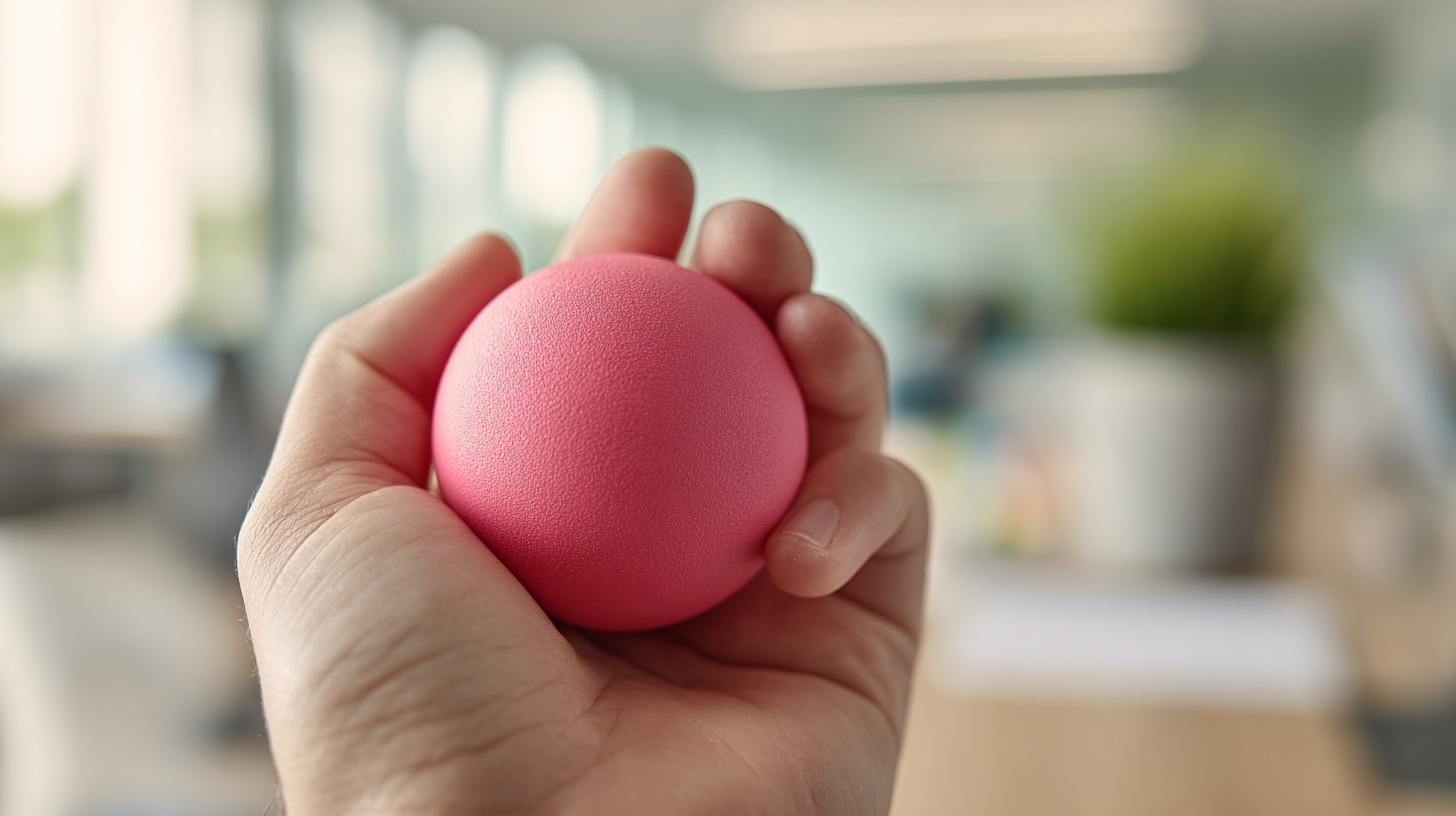
Squeeze, release, repeat.
🧠 UX Interpretation: Physical interaction regulates emotion
A stress ball does not solve the problem causing stress. It does not change deadlines, conversations, or outcomes.
Yet people reach for it instinctively. They squeeze, release, and repeat.
The object creates a simple physical loop. Pressure in the hand mirrors pressure in the mind.
The situation remains the same, but the person feels different.
🎯 Theme: Interaction can change state, not outcome
The value of the stress ball lies in the act itself. Repetition creates rhythm. The body engages, and attention shifts slightly away from the source of tension.
Research suggests that small, repetitive movements can reduce perceived stress and help maintain focus, even though they do not address the underlying cause.
This is participation without production. The action matters because it regulates the user, not because it alters the world.
💡 UX Takeaways
- Not all interactions need to produce an external result.
- Physical gestures can regulate internal state.
- Repetition can reduce perceived stress.
- Design can support focus without solving the core problem.
- Some tools work by changing how we feel, not what happens.
📎 Footnote
Stress balls and similar objects are used in workplaces and therapeutic settings as simple tools for managing tension. Studies suggest they can reduce perceived stress in the moment and help some people maintain concentration.
Many of these objects closely resemble children’s toys. Soft, tactile, and endlessly repeatable. The function has not changed. Only the context has.