📸 The Camera Shutter Sound — Hearing the invisible
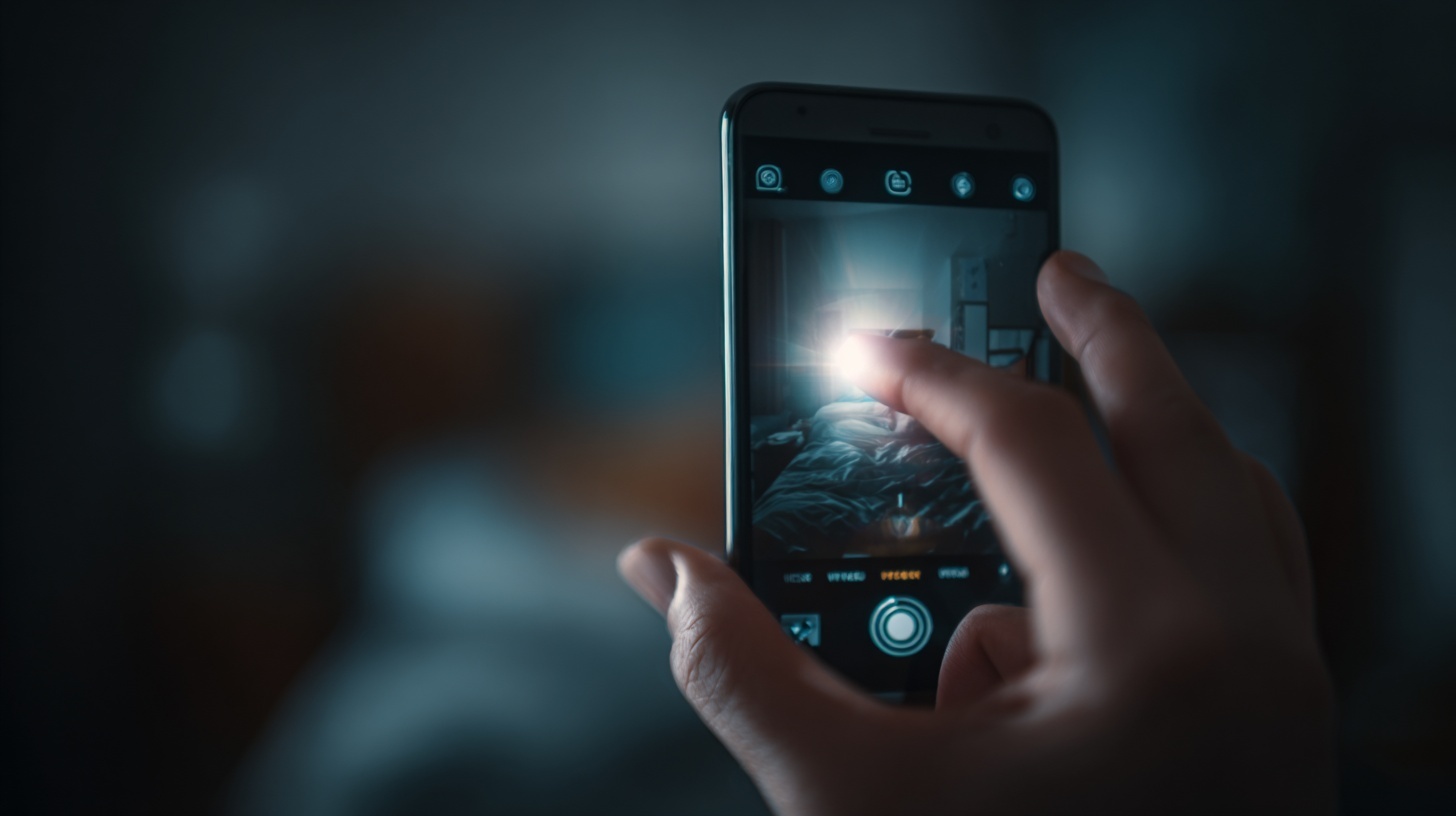
A digital camera that still clicks.
🧠 UX Interpretation: Feedback builds trust
Early digital cameras created a small problem. When a photograph was taken, almost nothing happened physically. There was no mechanical shutter, no film advancing, no reassuring sound.
Users felt uncertain. Had the picture actually been taken?
Manufacturers solved the problem with a curious design decision. They added a sound effect — a familiar camera click.
The sound did not correspond to any real mechanism. It simply confirmed that the action had occurred.
🎯 Theme: Sensory confirmation
The artificial shutter sound quickly became part of the digital photography experience. Smartphones inherited the same convention.
The sound acts as feedback. It marks the moment of capture and reassures the user that the device has responded.
Good interfaces often provide signals like this. When systems become invisible, design must invent new ways to make actions feel real.
💡 UX Takeaways
- Feedback reassures users that an action succeeded.
- Sensory cues can replace mechanical signals.
- Digital systems often imitate physical ones.
- Design should acknowledge human expectations.
- Sometimes a sound is as important as the function.
📎 Footnote
Many smartphones still include a shutter sound even though modern digital cameras do not require mechanical shutters. In some countries, such as Japan and South Korea, the sound cannot easily be disabled due to privacy concerns, ensuring that photographs are audibly signalled when taken.