🪥 The Interdental Brush — Design that changes a habit
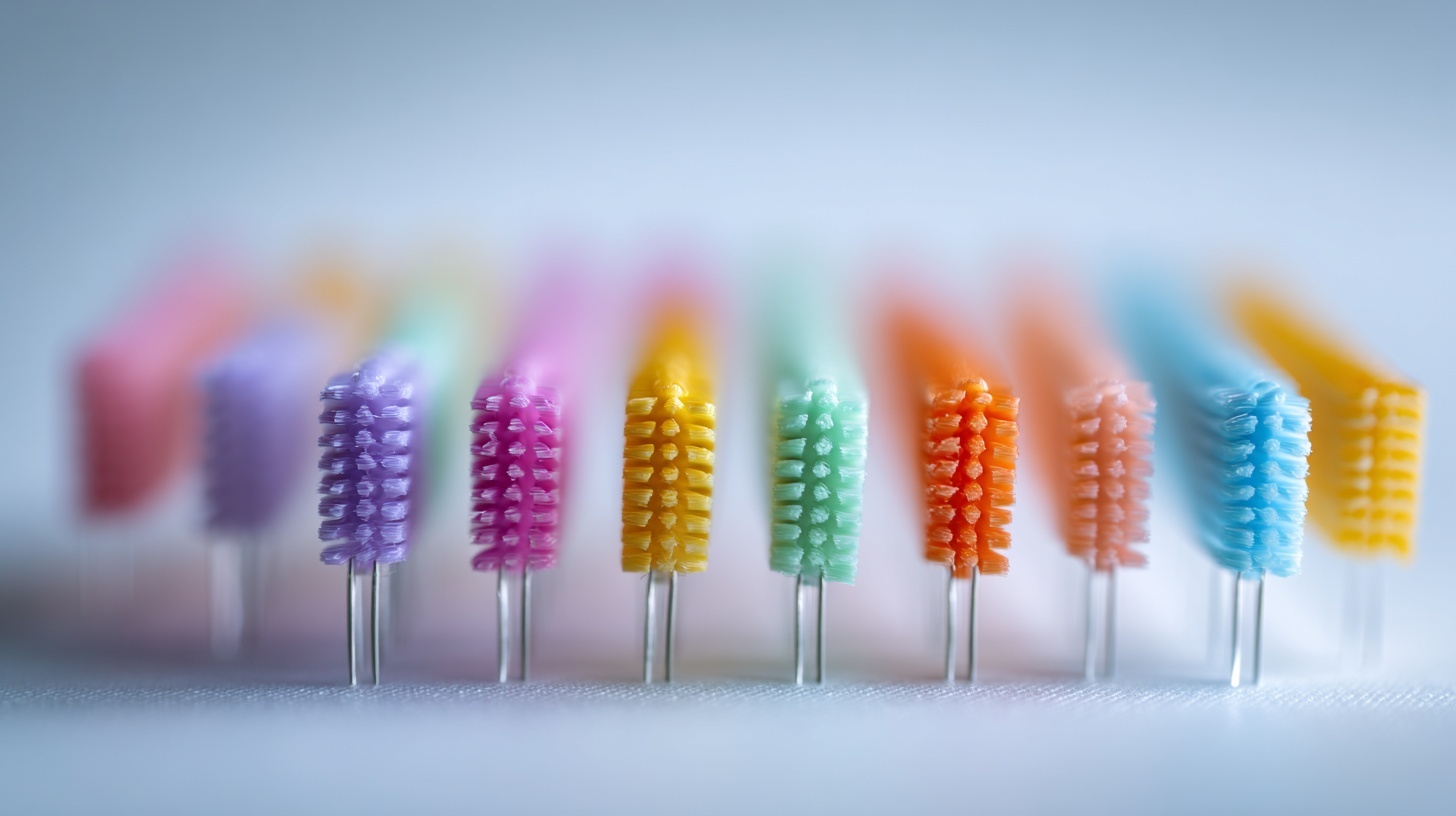
A tiny brush makes an awkward task easy.
🧠 UX Interpretation: Redesign the gesture
Dentists spent decades advising patients to floss. The instruction was correct but the behaviour rarely followed. Flossing requires dexterity, patience, and time. Many people simply gave up.
The interdental brush approached the problem differently. Instead of thread sliding between teeth, a small cylindrical brush passes gently through the gap. The action is simple and mechanical: push, clean, remove.
🎯 Theme: Behaviour follows ergonomics
The design recognises that advice alone rarely changes habits. Tools that reduce effort are far more effective. The small brush head, flexible wire core, and colour-coded sizes make the system easy to learn and repeat.
Patients quickly discover which colour fits their teeth. The object becomes personal and routine. A difficult instruction becomes a small daily gesture.
In this sense the brush is not only a dental tool. It is a behavioural intervention disguised as a product.
💡 UX Takeaways
- Changing behaviour often requires changing the tool.
- Small ergonomic improvements can outperform instructions.
- Colour coding helps users learn systems quickly.
- Mechanical gestures are easier to repeat than delicate ones.
- Design can quietly transform health habits.
📎 Footnote
Interdental brushes became widely used through companies such as TePe, founded in Sweden in 1965. Dentists recommend them because the triangular space between teeth is easier to clean with a small brush than with flat floss. The colour-coded sizing system allows patients to identify the correct brush size at a glance.