💳 The Credit-Card Chip — Trust in silicon
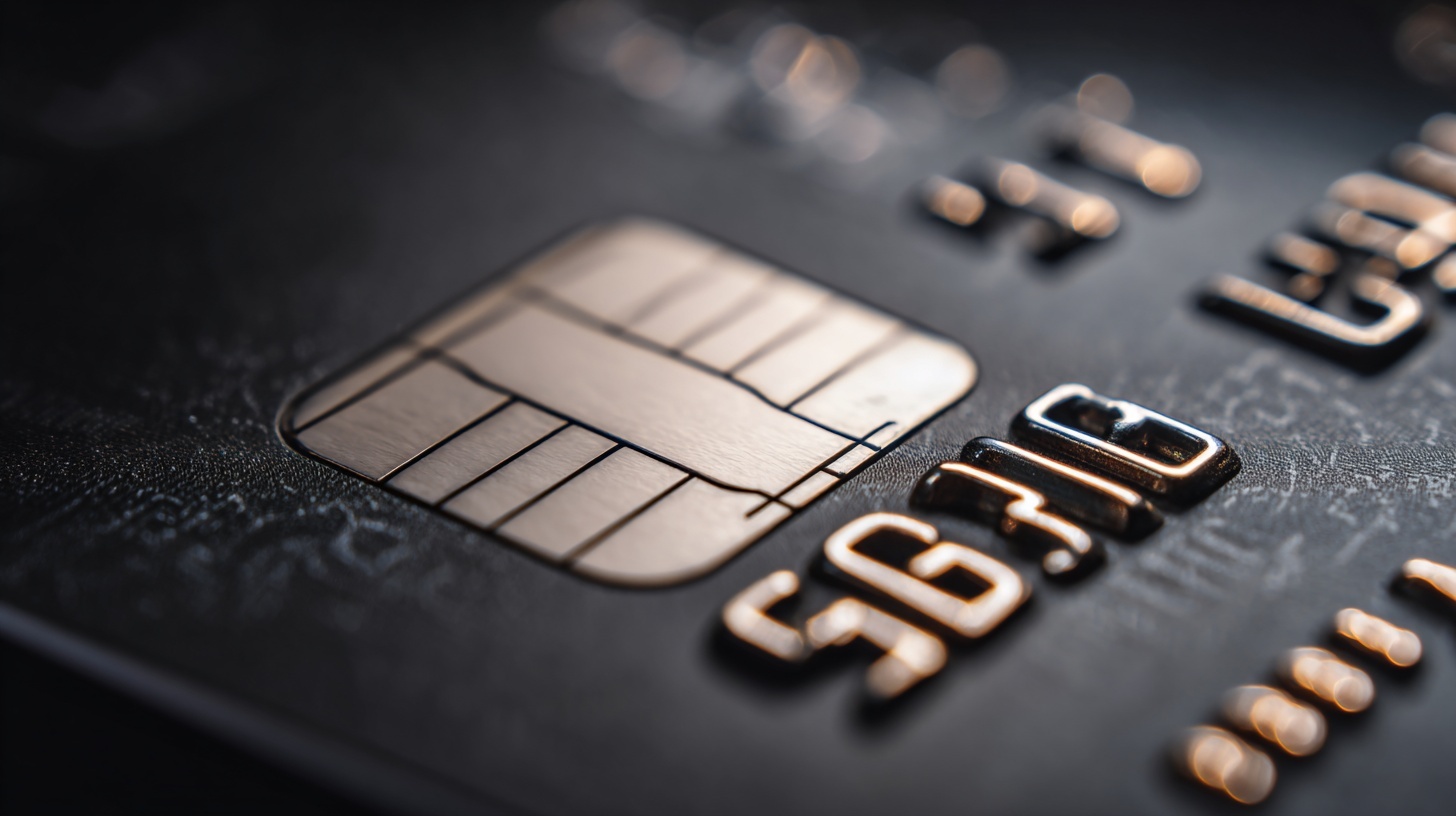
A tiny computer mediates a global ritual.
🧠 UX Interpretation: Authentication through conversation
Early credit cards relied on magnetic stripes and signatures. A shop assistant compared scribbles on paper and hoped the card had not been stolen. Fraud existed but the system depended largely on human judgement.
The embedded chip transformed the card into a small computer. When inserted into a payment terminal, the card and machine exchange encrypted messages. Each transaction generates unique authentication data.
🎯 Theme: Trust moves from people to systems
The chip changed the ritual of payment. Instead of signing a slip, the customer entered a PIN. Later, contactless payments reduced the gesture to a tap.
These shifts illustrate how systems evolve. Security often begins with visible friction. Once the system proves reliable, the interface becomes lighter and faster. What began as “insert and verify” gradually becomes “tap and go”.
Most users see only a small metallic square. Behind it sits a cryptographic process repeated billions of times each day.
💡 UX Takeaways
- Security reshapes user interaction.
- Invisible computation can replace visible verification.
- Systems often begin with friction and later remove it.
- Trust can migrate from human judgement to machines.
- Small components can alter global behaviour.
📎 Footnote
The chip system known as EMV (Europay, Mastercard, Visa) spread globally during the 1990s and 2000s. Each chip card contains a microprocessor capable of performing cryptographic authentication during a transaction. The design dramatically reduced certain types of fraud while quietly changing how billions of people pay for everyday purchases.