🪞 Mirror World — The system that reflects you
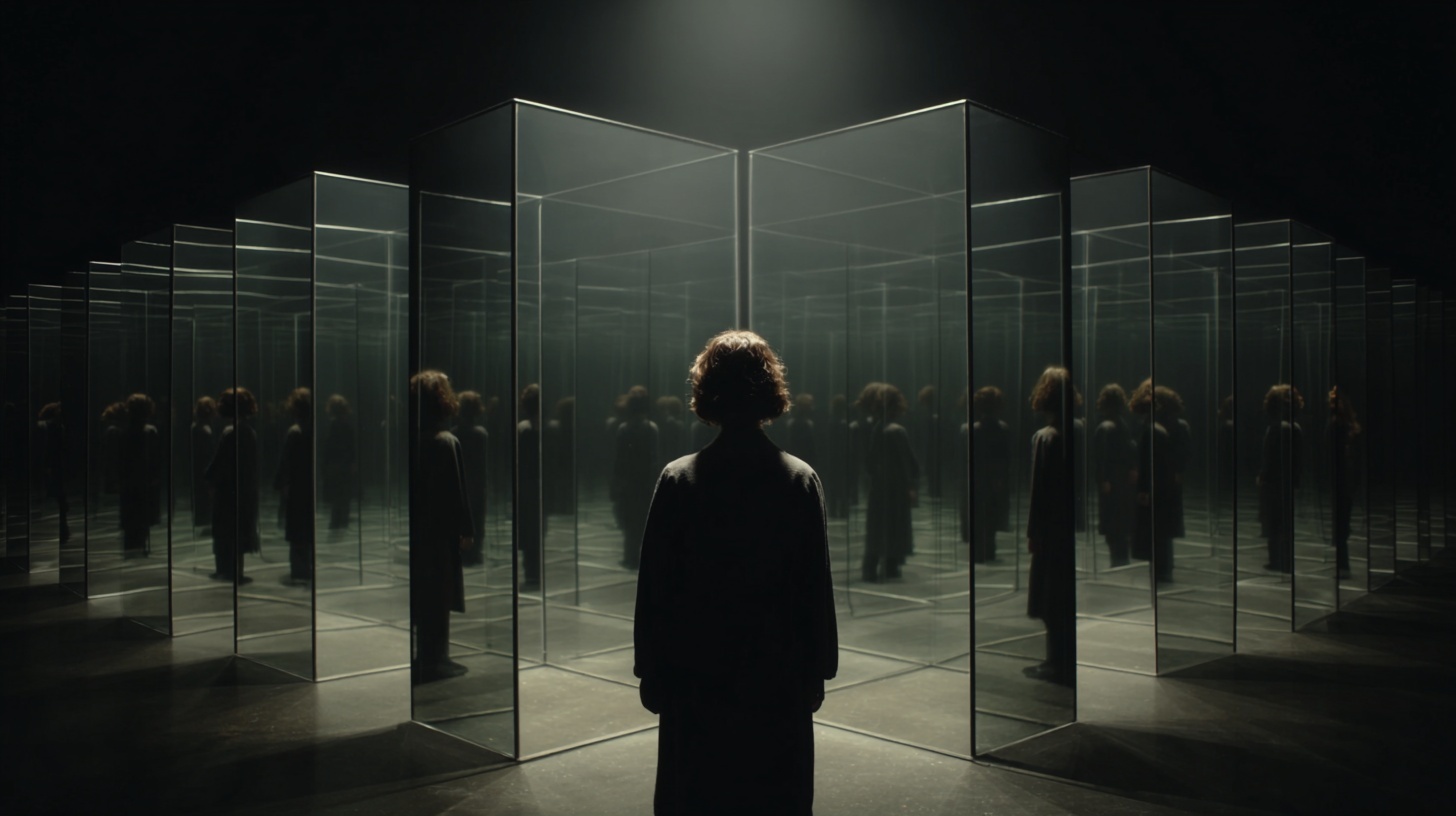
The more you look, the more it looks like you.
🧠 UX Interpretation: Reflection mistaken for reality
Digital systems increasingly mirror user behaviour. Feeds, recommendations, and responses are shaped by past actions, preferences, and patterns. Over time, the system reflects those patterns back. What you see feels familiar, relevant, and coherent.
The model is simple. Show more of what aligns. Reduce what does not. The result is a world that appears to fit.
🎯 Theme: The model becomes the environment
The system no longer points outward. It folds back on the user. Behaviour shapes the feed. The feed shapes behaviour. The loop tightens. This creates a sense of clarity. The world feels understandable because it matches expectations.
But the match is constructed. Alternatives fade. The difference becomes less visible. he model works because it feels accurate. It fails when reflection replaces reality.
💡 UX Takeaways
- Systems can reflect user behaviour back to them.
- Familiarity increases perceived accuracy.
- Feedback loops can narrow perception.
- Personalisation can shape a worldview.
- Models can become environments rather than tools.
📎 Footnote
The idea of a “mirror world” echoes themes in media theory and digital culture, where systems increasingly reflect and reinforce user behaviour, raising questions about perception, autonomy, and shared reality.